
A recent study shows that 70% of digital transformation strategy fail to deliver results—mainly because they aren’t aligned with core business goals.
For Indian businesses in today’s fast-changing landscape, the question isn’t whether to go digital but how to ensure digital investments create real value. From outdated systems to resistance to change, aligning initiatives with clear goals can feel daunting.
This blog explains how to align digital transformation with business objectives. You’ll learn what alignment involves, the steps to achieve it, and practical examples tailored to the Indian market.
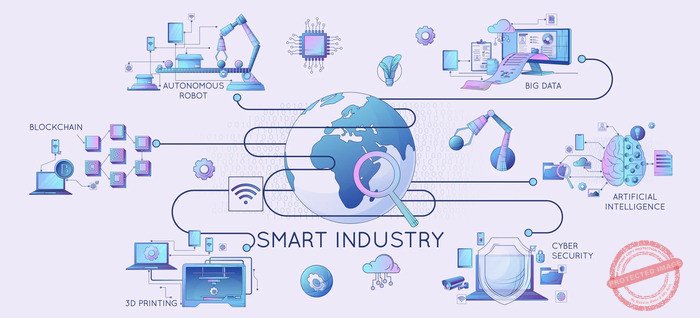
The Future of Digital Transformation in Indian Enterprises
In India, industries like banking, healthcare, education, and retail are rapidly adopting digital solutions, fueled by initiatives such as Digital India and rising smartphone use.
A strong digital transformation strategy is key to making these tools effective. Transformation isn’t just about adopting technology—it’s about aligning it with business objectives, whether that means growing market share, enhancing customer experience, or streamlining operations. Success depends on strategic integration, not simply following trends.
Why Alignment Matters?
When digital initiatives don’t align with business goals, it can result in:
- Wasted investment
- Employee disengagement
- Poor customer satisfaction
- Slower time-to-market
On the other hand, proper alignment ensures:
- Measurable ROI
- Cross-functional collaboration
- Agility and resilience
- Enhanced customer trust
Aligning Digital Transformation Strategy with Core Business Priorities
- Define Clear Business Objectives First
Set clear success metrics before adopting new technology:
- Are you looking to reduce operational costs by 20%?
- Do you want to improve customer satisfaction scores?
- Is your goal to expand into new markets?
Engage key stakeholders from every department during goal setting to ensure buy-in and clarity. This shared understanding forms the foundation for all digital initiatives.
- Conduct a Digital Maturity Assessment
Assess your organization’s current position to set realistic milestones. Consider:
- Current tech stack
- Data management capabilities
- Employee readiness
- Customer touchpoints
Prioritize projects that align with your objectives using relevant data. A transparent, data-driven assessment enables you to create a phased roadmap tailored to your business context.
- Map Digital Initiatives to Business KPIs
Each digital transformation initiative should align with a business KPI. For example:
- CRM implementation: Increased customer retention rate
- AI-powered analytics: Faster decision-making
- Cloud migration: Lower infrastructure costs
Use a balanced scorecard to monitor metrics across departments, promoting accountability and spotting performance gaps early.
- Build a Cross-Functional Leadership Team
Digital transformation is more than an IT project. Establish a Digital Transformation Steering Committee with leaders from:
- Finance
- Operations
- HR
- Marketing
This promotes holistic decision-making and quicker conflict resolution. With a diverse leadership team guiding the transformation, initiatives align more effectively with the organization’s broader objectives and culture.
- Focus on Change Management
Change is challenging, particularly in traditional Indian organizations. Success relies on:
- Transparent communication
- Ongoing training
- Celebrating small wins
Empower employees by involving them early and providing the tools they need to succeed. Proactively address their concerns to build trust and minimize resistance.
- Embrace Scalable and Flexible Technology
Invest in solutions that can scale with your business. For Indian SMEs, this may include cloud-based platforms or low-code/no-code tools for faster deployment and easy customization. Partnering with digital transformation services can help identify and implement the technologies that best fit your needs.
Flexible systems also allow organizations to adapt quickly to market shifts, customer demands, or regulatory changes.
- Leverage Local Ecosystems and Government Support
India’s dynamic startup ecosystem, supported by initiatives like Startup India, Make in India, and MSME schemes, offers cost-effective avenues for digital transformation. Collaborating with local tech providers or leveraging subsidies can maximize these opportunities.
Partnering with domestic providers also ensures alignment with regional needs and cultural nuances, boosting adoption and overall success.
Common Mistakes to Avoid
- Starting with technology, not a strategy
- Ignoring internal culture and resistance
- Failing to measure progress continuously
- Overlooking customer feedback
- Not budgeting for maintenance and upgrades
Avoiding these pitfalls is essential for long-term success, as many transformations fail due to misalignment and poor strategy rather than technology.
Conclusion
Aligning digital transformation with business goals is more than adopting new technology—it’s about strategic, intentional evolution. By defining objectives, assessing readiness, involving stakeholders, and tracking key metrics, Indian businesses can ensure their digital investments deliver real value.
Whether a start-up or an established enterprise, the principles are the same: clarity, collaboration, and commitment.
Your digital transformation journey should be:
- Business-led, not technology-driven
- Data-informed, not assumption-based
- Human-focused, not process-centric
Guided by these principles, transformation becomes more than an upgrade—it becomes a catalyst for growth and innovation. A clear strategy ensures every step aligns with business objectives and maximizes ROI.
Digital transformation is a journey, not a destination. For Indian businesses, success depends on ensuring each digital initiative contributes meaningfully to overarching goals.
Focus on the bigger picture, communicate regularly, and adapt continuously. When strategy and technology work in sync, digital transformation shifts from risk to growth multiplier.
If you’re ready to align your digital transformation with business goals, start with a clear strategy and the right digital marketing consulting partners. The path may be complex, but the destination—sustainable success—is worth it.